Guards
Guard là gì?
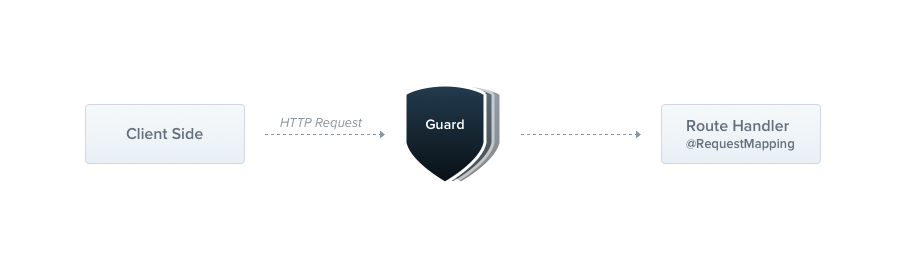
Guard trong NestJS là một tính năng quan trọng được sử dụng để xác thực và ủy quyền truy cập vào các endpoint trong ứng dụng. Chúng đảm nhiệm các chức năng sau:
- Xác thực (Authentication) : Guard giúp xác định danh tính của người dùng, đảm bảo rằng chỉ những người dùng được ủy quyền mới có thể truy cập vào các endpoint nhất định.
- Ủy quyền (Authorization) : Guard kiểm tra vai trò và quyền hạn của người dùng, đảm bảo rằng họ chỉ được phép thực hiện các hành động được phép.
- Bảo vệ Endpoint : Guard ngăn chặn truy cập trái phép vào các endpoint nhạy cảm, bảo vệ dữ liệu và tài nguyên của ứng dụng.
- Linh hoạt và tái sử dụng : Guard có thể được tái sử dụng cho nhiều endpoint khác nhau, giúp tăng tính linh hoạt và tái sử dụng của code.
Tạo Guard
auth.guard.ts
import { CanActivate, ExecutionContext, Injectable } from "@nestjs/common";

@Injectable()
export class AuthGuard implements CanActivate {
  canActivate(context: ExecutionContext) {
    /* Logic of guard here */
    return true;
  }
}
info
- Ở bên trên, ta tạo một class AuthGuard implements CanActivate.
- Trong hàm canActivate, nhận vào một tham số có kiểu ExecutionContext. Nếu trả về "true", quá trình thực hiện request sẽ tiếp tục diễn ra, nếu không, NestJS sẽ throw ra ForbiddenException.
- Nếu không muốn throw ra ForbiddenException như mặc định, ta có thể:
throw new UnauthorizedException();
note
- Mặc dù guard được đánh dấu @Injectable() nhưng ta không cần phải cho nó vào mảng provider ở module. Nó sẽ tự động được resolve. Nhưng nếu trong guard sử dụng service nào đó thuộc module khác thì ta vẫn phải import module đó vào.
- Giống như controller hay các providers khác, ta có thể inject dependencies vào guard thông qua hàm constructor()
Sử dụng Guard
- Tương tự như exception filter, guard có 3 mức áp dụng
Cấp độ Global
main.ts
const app = await NestFactory.create(AppModule);
app.useGlobalGuards(new RolesGuard());
- Hoặc sử dụng global ở trong AppModule:
app.module.ts
@Module({
  controllers: [],
  providers: [
    {
      provide: APP_GUARD,
      useClass: AuthGuard,
    },
  ],
})
export class AppModule {}
Cấp độ Controller
cats.controller.ts
@Controller("cats")
@UseGuards(new RolesGuard())
export class CatsController {}
Cấp độ method
cats.controller.ts
@Controller("cats")
export class CatsController {
  @UseGuards(new RolesGuard())
  create() {}
}
Ví dụ khác
- Ở bài trước, ta đã sử dụng Reflector.createDecorator() để tạo một decorator "Roles", giờ chúng ta có thể lấy giá trị của nó ra trong guard để có thể thực hiện việc xác thực roles cho request.
roles.guard.ts
import { Injectable, CanActivate, ExecutionContext } from "@nestjs/common";
import { Reflector } from "@nestjs/core";
import { Roles } from "./roles.decorator";

@Injectable()
export class RolesGuard implements CanActivate {
  constructor(private reflector: Reflector) {}

  canActivate(context: ExecutionContext): boolean {
    const roles = this.reflector.get(Roles, context.getHandler());
    if (!roles) {
      return true;
    }
    const request = context.switchToHttp().getRequest();
    const user = request.user;
    return matchRoles(roles, user.roles);
  }
}